The founder and CEO of the company behind one of the country’s most popular sweepstakes casinos said he and fellow industry stakeholders are working with state legislatures to introduce the Sweepstakes Modernization Act “in the coming weeks and months.”
That founder is Patrick Fechtmeyer, and his company is ARB Interactive, which owns Modo.us and Publishers Clearing House.
Earlier this month, Fechtmeyer penned an essay on his personal Medium account called The Rational Case for Modernizing Sweepstakes Laws in Social+ Gaming, in which he announced his intentions to introduce various Sweepstakes Modernization Acts around the U.S. and shared his perspective on how “legislation should reflect the next 100 years, not the last century.”
“I wrote the piece because, as a citizen, I care deeply about the United States making rational, informed decisions about markets that already exist online,” Fechtmeyer told Sweepsy this week. “My intention isn’t to tell policymakers what to think, but to help ensure they have the facts and context needed to act in the best interest of their constituents.
“When activity is already happening on the internet, the practical choice is to regulate what’s in front of you. If you don’t, that activity simply moves offshore, and states lose oversight, consumer protection, and economic value.”
The bills will provide a ‘pragmatic update to sweepstakes statutes’
Fechtmeyer told Sweepsy he’ll “share more once formal proposals are introduced” regarding which states are expected to file Sweepstakes Modernization Acts. But the main focus of the bills, Fechmeyer wrote in his Medium piece, would be on the state’s sweepstakes laws — not gambling laws. He wants to give a “pragmatic update to sweepstakes statutes” built around the following tenets:
- “Explicit guidelines for digital entry methods and prize redemptions.”
- “Prize protection requirements to ensure large prizes are paid to winners.”
- “Mandatory age verification and responsible engagement tools.”
- “Transparency requirements for operators, including audits and data protection protocols.”
- “Clarifying state-level taxation.”
“Most sweepstakes laws were written decades ago,” Fechtmeyer wrote. “They were designed for mail-in entries, magazines, and in-store promotions. Over time, they’ve been patched to accommodate new use cases without ever being redesigned for digital delivery, digital goods, or real-time engagement.
“The result is a framework that creates ambiguity instead of protection.”
When asked why he decided to write the Medium piece, Fechtmeyer said he felt it was “important to speak up publicly.”
“Because I believe this is unequivocally the right decision for the country and for consumers,” he told Sweepsy. “Sometimes that means sticking your neck out to encourage a more honest and informed discussion, even when the topic is contentious.”
Sweeps gaming ‘is clearly not’ iGaming or offshore betting
A central theme of Fechtmeyer’s essay was that gaming at sweepstakes casinos is already happening. The market exists. And it’s a robust market at that, with Eilers & Krejcik Gaming estimating 2026 sweepstakes gaming revenue will reach $3.6 billion even without California in the fold.
When a market already exists in reality, Fechtmeyer wrote, it “will continue to exist whether the law evolves or not.”
In other words: These players will either play on regulated platforms in the U.S., or they will switch over to offshore sites if sweeps platforms get banned.
“This demand didn’t appear because of a loophole. It appeared because the product works,” Fechtmeyer wrote of sweeps gaming sites. “Whether industry incumbents like the category or not, the market has already formed.
“We can either update the rules to reflect reality, protect consumers, and keep economic activity within the U.S., or we can pretend the market doesn’t exist after it’s ‘banned’ and watch U.S. consumers move their money and play beyond our reach.
“We’ve seen this pattern repeatedly. It’s not theoretical, and it’s frustrating as someone who has watched governments stumble over the realities of the digital era again and again.”
Another point Fechtmeyer emphasized to Sweepsy is that sweepstakes casinos are not real-money online casinos or offshore betting sites, so they shouldn’t be treated as such.
One of the main rallying cries of anti-sweeps stakeholders is that sweepstakes casinos are no different than offshore betting sites like Bovada or MyBookie because they’re unregulated and, they argue, therefore lack consumer safeguards or responsible gaming frameworks.
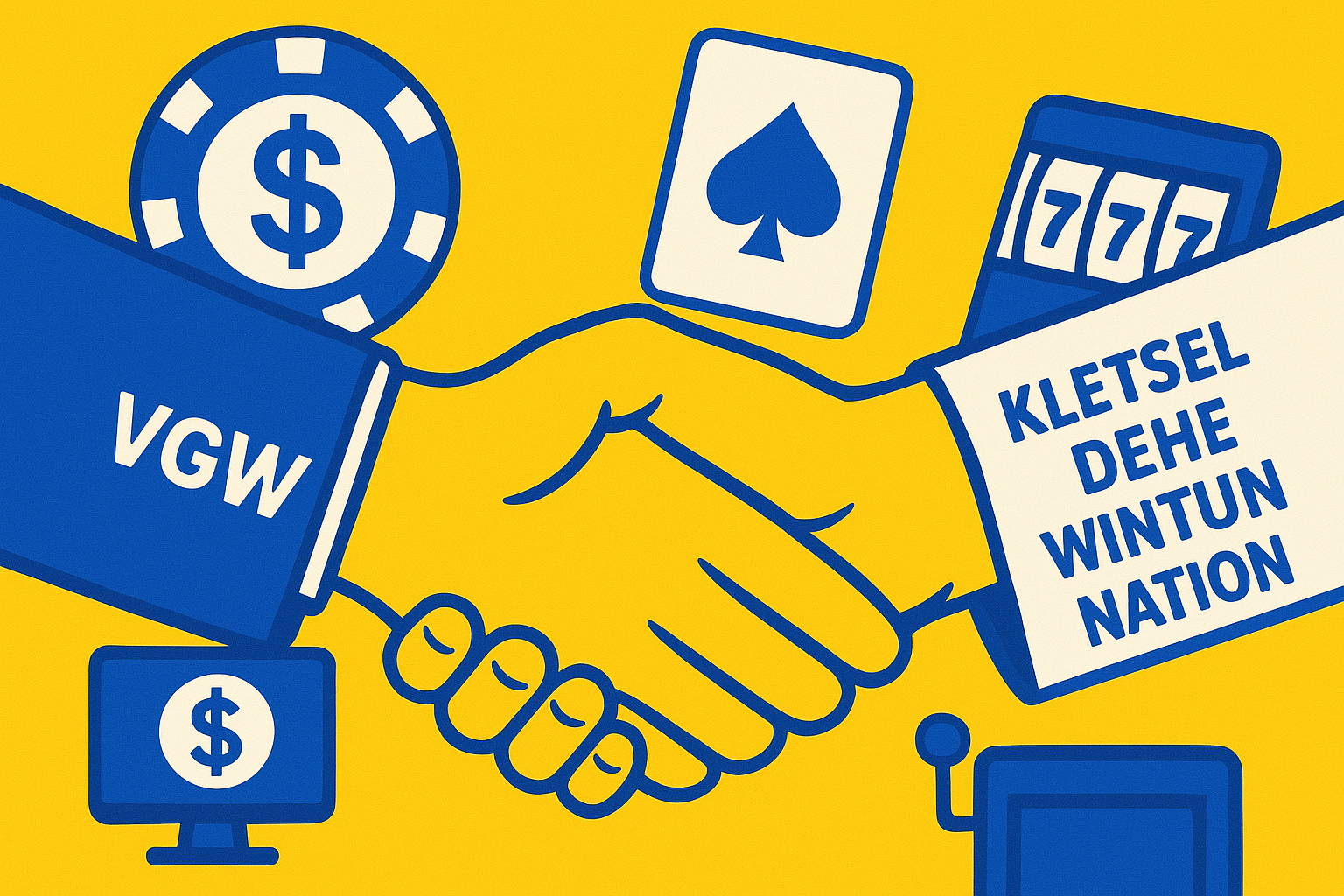
Many reputable sweeps brands, headlined by the founding members of the Social Gaming Leadership Alliance, including Fechtmeyer’s ARB Interactive and VGW, counter by claiming they would confidently put their safe gameplay and identity protection measures up against those in the traditional iGaming realm. The SGLA also requires its members to be 21-and-over sites, whereas most of the sweeps industry is 18-plus.
“Education is vital because social plus gaming is often misunderstood,” Fechmeyer told Sweepsy. “It is frequently evaluated through the lens of traditional iGaming and often conflated with illegal offshore gambling, when it is clearly not. When policy starts from those assumptions, the wrong regulatory tools get applied. Clear understanding leads to better policy and better outcomes.”
Fechtmeyer: Sweeps vs. iGaming is like DFS vs. sports betting
Fechtmeyer likens the sweepstakes gaming (or social plus gaming, as the SGLA now calls it) versus traditional iGaming comparison to daily fantasy sports versus online sports betting.
States wouldn’t regulate DFS and sports betting the same way, Fechtmeyer argues.
So why attempt to do that with sweeps gaming and iGaming?
“These are distinct products with distinct user bases and purposes,” Fechtmeyer wrote. “ … Legislators should not be forcing innovation to comport with regulatory frameworks that aren’t suitable. Further, you do not risk expanding wagering by safely governing fantasy contests; you simply make consumers safer and government revenue more consistent.”
Looking at bills filed so far in 2026
So far, only one state has seen the introduction of a pro-sweeps bill this session: New Jersey, where legislation that creates a regulatory framework for sweeps casinos was filed on Jan. 13.
Meanwhile, Indiana, Maine, Virginia, Maryland, Mississippi, Tennessee, and Oklahoma are considering bills that directly target sweepstakes casinos. Florida has several bills on the table that would amend state gambling laws to include language that would potentially make sweeps casinos fall under the umbrella of illegal online gambling. And Iowa is considering a bill that would allow the state’s gaming regulator to issue cease-and-desist orders to sweepstakes casinos.
Several lawmakers on Indiana’s House Public Policy Committee pushed for an amendment to that state’s bill, House Bill 1052, that would regulate sweeps casinos instead of banning them. But the amendment failed. Instead, the committee advanced the bill to the next step with an amendment that reduces the sweeps ban penalties to civil offenses instead of criminal charges.